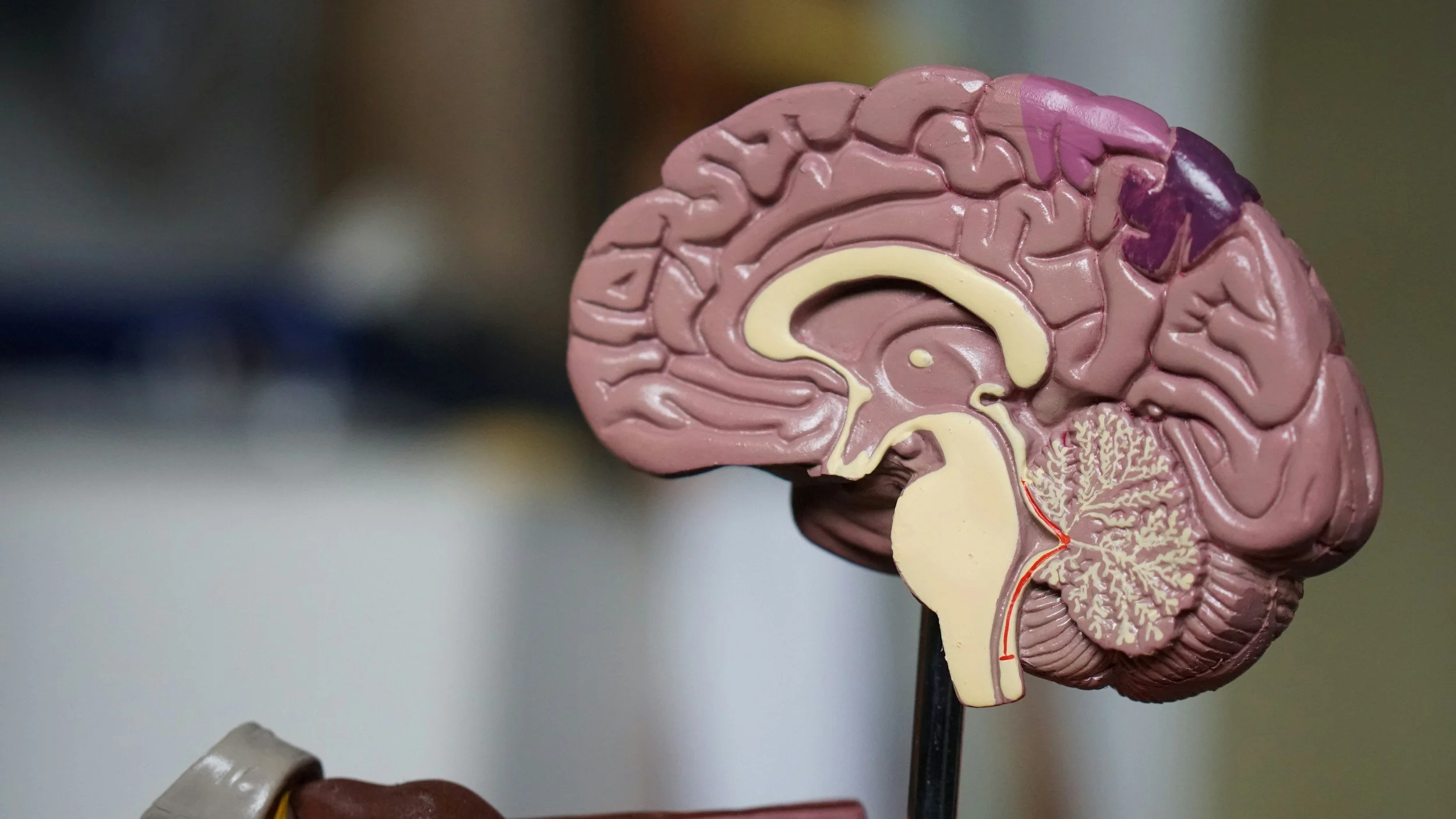
Living Well With Parkinson’s Disease
Depression and anxiety are among the most common non-motor symptoms of Parkinson’s disease — affecting up to half of people with the condition at some point — yet they are frequently under-treated. Rehabilitation psychology addresses the emotional and cognitive dimensions of Parkinson’s so that mental health gets the same attention as motor symptoms.
The non-motor side of Parkinson’s
Parkinson’s affects brain chemistry in ways that directly influence mood, motivation, and anxiety — these symptoms are part of the disease, not a personal failing. Many people also notice cognitive changes over time: slower thinking, difficulty multitasking, or word-finding trouble. Sleep disruption, apathy, and worry about progression are common. Addressing these early makes a measurable difference in quality of life.
How therapy helps
Treatment focuses on managing depression and anxiety, coping with uncertainty and progression, maintaining meaningful activity and identity, and supporting communication with family. When cognitive changes are a concern, a neurocognitive evaluation establishes a clear baseline and tracks change over time — information that is useful for you, your family, and your neurology team.
Working alongside your medical team
Rehabilitation psychology complements neurological care. With your permission, I coordinate with your neurologist or movement disorder specialist so that psychological treatment fits your overall care plan.
Telehealth across Washington and PSYPACT states
All appointments are by secure telehealth for adults in Washington State or PSYPACT-member states — no travel required, which matters when mobility or energy fluctuates.
Ready to talk? Get started or read our FAQ.